Tuesday, 31 March 2020

How Do You Take Them?

There are many forms of corticosteroids. Which one your doctor recommends depends on why you need it and the part of your body that's affected. Your medicine might come in a:man using inhaler
  • Pill or liquid
  • Inhaler
  • Nasal spray
  • Shot
  • Skin cream
  • Tube that goes into a vein (IV)

What Do Corticosteroids Treat?

They help treat conditions that cause irritation and swelling. They can ease symptoms of:
 hands swollen from arthritis
  • Rheumatoid arthritis
  • Asthma
  • Chronic obstructive pulmonary disorder (COPD)
  • Lupus and other autoimmune disorders
  • Multiple sclerosis
  • Rashes and skin conditions like eczema

Your doctor may also suggest you take them for a short time to treat allergic reactions, like a severe poison ivy rash.

Monday, 30 March 2020

The two main types are corticosteroids and anabolic-androgenic steroids (or anabolics for short).

1.Corticosteroids
Commonly referred to as steroids, corticosteroids are a type of anti-inflammatory drug. They are typically used to treat rheumatologic diseases, like rheumatoid arthritis, lupus or vasculitis (inflammation of the blood vessels). Specific corticosteroids include the medications cortisone and prednisone.
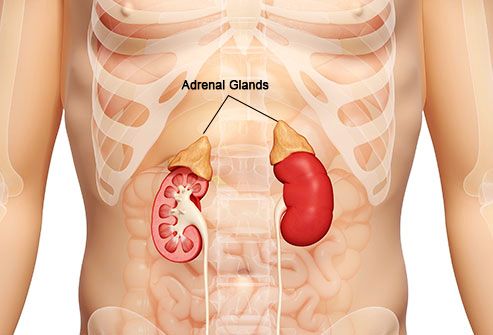
kidneys and adrenal glands
Corticosteroids are man-made drugs that closely resemble cortisol, a hormone that your adrenal glands produce naturally. Corticosteroids are often referred to by the shortened term "steroids." Corticosteroids are different from the male hormone-related steroid compounds that some athletes abuse.

Steroid

syringe and medication

The word has different meanings. Steroids are chemicals, often hormones, that your body makes naturally. They help your organs, tissues, and cells do their jobs. You need a healthy balance of them to grow and even to make babies. "Steroids" can also refer to man-made medicines. The two main types are corticosteroids and anabolic-androgenic steroids (or anabolics for short).