2.Anabolic Steroids
Anabolic steroids are synthetic, or human-made, variations of the male sex hormone testosterone. The proper term for these compounds is anabolic-androgenic steroids. "Anabolic" refers to muscle building, and "androgenic" refers to increased male sex characteristics. Some common names for anabolic steroids are Gear, Juice, Roids, and Stackers.
 Health care providers can prescribe steroids to treat hormonal issues, such as delayed puberty. Steroids can also treat diseases that cause muscle loss, such as cancer and AIDS. But some athletes and bodybuilders misuse these drugs in an attempt to boost performance or improve their physical appearance.
1) How do people misuse anabolic steroids?
People who misuse anabolic steroids usually take them orally, inject them into muscles, or apply them to the skin as a gel or cream. These doses may be 10 to 100 times higher than doses prescribed to treat medical conditions.
Commons patterns for misusing steroids include:
- cycling—taking multiple doses for a period of time, stopping for a time, and then restarting
- stacking—combining two or more different steroids and mixing oral and/or injectable types.
2) How do anabolic steroids affect the brain?
Anabolic steroids work differently from other drugs of abuse; they do not have the same short-term effects on the brain. The most important difference is that steroids do not directly activate the reward system to cause a “high”; they also do not trigger rapid increases in the brain chemical dopamine, which reinforces most other types of drug taking behavior.

Misuse of anabolic steroids might lead to negative mental effects, such as:
- paranoid (extreme, unreasonable) jealousy
- extreme irritability and aggression (“roid rage”)
- delusions—false beliefs or ideas
- impaired judgment
- mania
3) Long-Term Effects
Several other effects are gender- and age-specific:
- In men:
- shrinking testicles
- decreased sperm count
- baldness
- development of breasts
- increased risk for prostate cancer
- In women:
- growth of facial hair or excess body hair
- decreased breast size
- male-pattern baldness
- In teens:
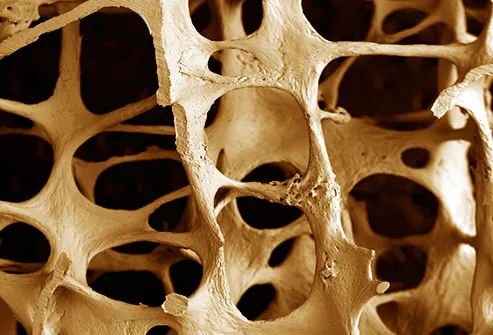
- stunted growth (when high hormone levels from steroids signal to the body to stop bone growth too early)
- stunted height
4) Are anabolic steroids addictive?
People who misuse steroids might experience withdrawal symptoms when they stop use, including:
- fatigue
- restlessness
- loss of appetite
- sleep problems
- decreased sex drive
- steroid cravings
One of the more serious withdrawal symptoms is depression, which can sometimes lead to suicide attempts.
5) How can people get treatment for anabolic steroid addiction?
Some people seeking treatment for anabolic steroid addiction have found a combination of behavioral therapy and medications to be helpful.
In certain cases of addiction, patients have taken medicines to help treat symptoms of withdrawal. For example, health care providers have prescribed antidepressants to treat depression and pain medicines for headaches and muscle and joint pain.